

Treatments for High Cholesterol: Lifestyle Changes, Medications, and When to Seek Help
Being told that cholesterol levels are high can feel concerning, particularly because cholesterol is closely linked to heart disease and stroke. However, a high cholesterol result is not a diagnosis of cardiovascular disease, nor does it automatically mean medication will be required.
For many people, high cholesterol can be managed successfully through lifestyle changes, regular monitoring, and, where appropriate, medication. The most appropriate treatment depends on cholesterol levels, overall cardiovascular risk, and individual health factors.
The goal of treatment is not simply to improve a number on a blood test. It is to reduce the likelihood of future cardiovascular problems and support long-term heart health.
Before exploring treatment options, it can be helpful to understand what cholesterol is, the different types of cholesterol, and how cholesterol levels affect cardiovascular health. For a broader overview, read our guide to understanding cholesterol and why it matters.
Do All People With High Cholesterol Need Treatment?
One of the most common misconceptions about high cholesterol is that everyone with an elevated result requires the same treatment. In reality, cholesterol management is highly individual.
Healthcare professionals consider several factors when deciding the most appropriate approach, including:
- LDL cholesterol levels
- HDL cholesterol levels
- Triglyceride levels
- Age
- Blood pressure
- Smoking status
- Diabetes
- Family history of cardiovascular disease
- Existing heart or vascular disease
- Overall cardiovascular risk
For example, two people may have similar cholesterol levels but receive very different recommendations. A younger individual with no additional risk factors may initially be advised to focus on lifestyle modifications, while someone with diabetes, high blood pressure, or established cardiovascular disease may benefit from more intensive treatment.
This personalised approach helps ensure that treatment decisions are based on the complete picture of a person’s health rather than a single test result.
Lifestyle Changes That Can Help Lower Cholesterol
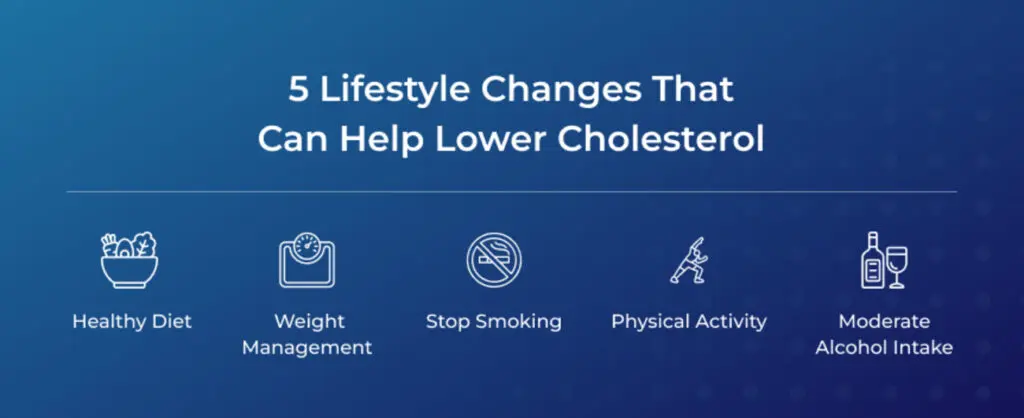
For many people, lifestyle changes form the foundation of cholesterol treatment.
While medication may be necessary in some situations, healthy lifestyle habits can improve cholesterol levels, reduce cardiovascular risk, and provide benefits that extend well beyond heart health.
Improving Diet
Diet is one of the most important factors influencing cholesterol levels. Rather than following restrictive short-term diets, the focus should be on sustainable eating habits that support long-term cardiovascular health.
Foods that may help support healthier cholesterol levels include:
- Vegetables and fruits
- Whole grains
- Beans, lentils, and other legumes
- Nuts and seeds
- Oily fish such as salmon, mackerel, and sardines
- Sources of unsaturated fats such as olive oil and avocado
At the same time, it may be beneficial to reduce foods high in saturated fats, including fatty cuts of meat, processed meats, butter, cream, full-fat dairy products, and certain processed foods.
Even small dietary changes can contribute to improved cholesterol levels and support overall cardiovascular health.
Increasing Physical Activity

Regular physical activity supports cardiovascular health in several important ways.
Exercise may help:
- Raise HDL (“good”) cholesterol
- Improve circulation
- Support weight management
- Reduce blood pressure
- Improve insulin sensitivity
Improving cholesterol levels does not usually require intensive exercise. Moderate, consistent activity such as brisk walking, cycling, swimming, jogging, fitness classes, or recreational sports can support meaningful cardiovascular benefits.
Current UK guidance generally recommends at least 150 minutes of moderate-intensity physical activity each week, alongside activities that help maintain strength and mobility.
Weight Management
Excess body weight can contribute to higher LDL cholesterol, elevated triglycerides, high blood pressure, and an increased risk of type 2 diabetes.
Even modest weight loss may support improvements in cholesterol levels and overall cardiovascular health. The focus should be on sustainable changes that can be maintained long term.
Smoking Cessation
Smoking increases cardiovascular risk by damaging blood vessels, accelerating atherosclerosis, and lowering protective HDL cholesterol levels.
Stopping smoking remains one of the most effective ways to improve long-term heart health. Benefits often begin relatively quickly after smoking cessation and continue to increase over time.
Alcohol and Cholesterol
Alcohol can affect cholesterol and triglyceride levels in several ways. Excessive alcohol intake may contribute to elevated triglycerides, weight gain, and increased cardiovascular risk.
Individuals who drink alcohol do not necessarily need to stop completely, but moderation is important.
Following current UK recommendations and discussing alcohol consumption with a healthcare professional can help ensure that alcohol intake supports, rather than undermines, cardiovascular health.
Why Lifestyle Changes Still Matter
Some people assume that once medication is prescribed, lifestyle changes become less important. In reality, lifestyle modifications remain a cornerstone of cholesterol management, whether or not medication is required.
Healthy eating, regular physical activity, weight management, and smoking cessation can continue to provide important benefits when medication forms part of a treatment plan.
Lifestyle measures can also address several cardiovascular risk factors at the same time. They may help improve blood pressure, blood sugar control, body weight, and overall cardiovascular health, while supporting the effectiveness of prescribed treatment.
When Lifestyle Changes May Not Be Enough

Lifestyle changes are an important part of managing high cholesterol, but they are not always sufficient on their own.
Some people have cholesterol levels that remain elevated despite maintaining a healthy diet, exercising regularly, and following other recommended lifestyle measures. Others may already have a higher risk of cardiovascular disease because of underlying medical conditions or genetic factors.
In these situations, medication may be recommended alongside lifestyle changes to help reduce cardiovascular risk.
This is particularly common in people who:
- Have very high LDL cholesterol levels
- Have established cardiovascular disease
- Have diabetes and additional risk factors
- Have familial hypercholesterolaemia
- Have experienced a heart attack or stroke
- Have a high cardiovascular risk assessment score
Treatment decisions are based on an individual’s overall health profile rather than cholesterol levels alone.
Familial Hypercholesterolaemia
Familial hypercholesterolaemia (FH) is an inherited condition that affects how the body processes cholesterol. People with FH often have significantly elevated LDL cholesterol from a young age, even when they follow a healthy lifestyle.
Because FH can increase cardiovascular risk earlier in life, prompt diagnosis and appropriate treatment are important. A strong family history of high cholesterol, heart attacks, or cardiovascular disease at a younger age should always be discussed with a healthcare professional.
In situations where lifestyle changes alone are unlikely to achieve sufficient cholesterol reduction, medication may play an important role in treatment.
Medications Used to Treat High Cholesterol
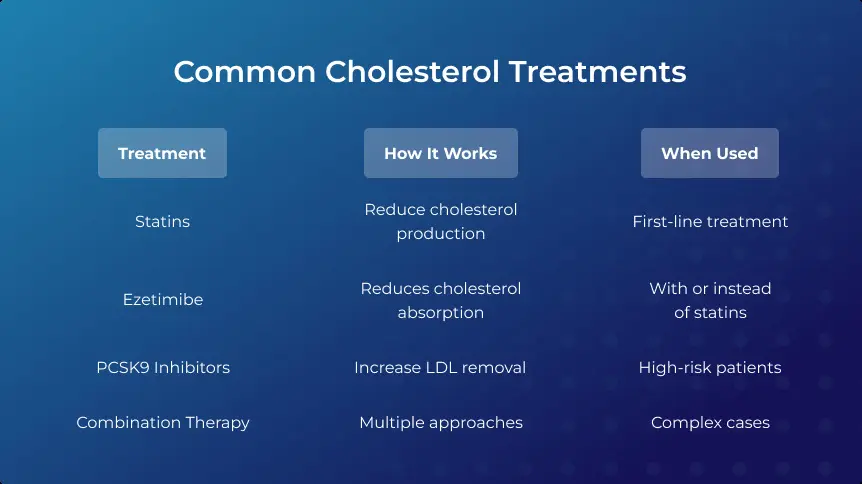
When medication is recommended, the goal is not simply to lower cholesterol levels but to reduce the risk of cardiovascular events such as heart attack and stroke.
Several medications may be used depending on an individual’s cholesterol levels, cardiovascular risk, and medical history.
Statins
Statins are the most commonly prescribed medications for high cholesterol. They work by reducing the amount of cholesterol produced by the liver, helping to lower LDL cholesterol levels in the bloodstream.
Examples include: Atorvastatin, Rosuvastatin, and Simvastatin.
Statins have been shown to reduce the risk of heart attack, stroke, and other serious cardiovascular complications, which is why they are often the first medication recommended for high cholesterol.
Are statins safe?
Statins are generally well tolerated, although side effects can occur. Some people may experience muscle aches, headache, digestive symptoms, or changes in liver enzyme levels.
Healthcare professionals carefully weigh the potential benefits against any risks before recommending treatment. If side effects occur, the dose may be adjusted, a different statin may be prescribed, or an alternative treatment may be considered.
Some patients may require long-term medication, particularly if they have inherited high cholesterol, established cardiovascular disease, or a high overall cardiovascular risk.
Ezetimibe
Ezetimibe reduces the amount of cholesterol absorbed from the intestine and may be prescribed alongside a statin, when statins alone are not sufficient, or when statins are not suitable.
PCSK9 Inhibitors
PCSK9 inhibitors are newer cholesterol-lowering medications that help the liver remove LDL cholesterol from the bloodstream more efficiently.
They are generally reserved for people who:
- Have very high cholesterol levels
- Have familial hypercholesterolaemia
- Remain at high cardiovascular risk despite other treatments
- Cannot tolerate certain cholesterol-lowering medications
These medications are usually given by injection and managed under specialist care.
Combination Therapy
Some people require more than one medication to achieve optimal cholesterol control. This may involve a statin combined with ezetimibe, a PCSK9 inhibitor, or another tailored treatment approach depending on individual circumstances.
How Long Does It Take to Lower Cholesterol?
One of the most common questions patients ask is how quickly cholesterol levels can improve.
The answer varies depending on:
- Starting cholesterol levels
- Lifestyle changes
- Whether medication is prescribed
- Individual health factors
Lifestyle Changes
Positive changes in diet and physical activity can begin to affect cholesterol levels within a matter of weeks. However, meaningful and sustainable improvements often develop over several months.
This is one reason why healthcare professionals typically recommend long-term lifestyle changes rather than short-term diets or exercise programmes.
Medication
Cholesterol-lowering medications generally work more quickly.
Statins can begin lowering LDL cholesterol within a few weeks, although follow-up blood tests are often performed several months later to assess progress and determine whether adjustments are needed.
Ongoing Monitoring Matters
Cholesterol management is not usually a one-time intervention. Cholesterol levels can change over time, so treatment plans may need to be reviewed through regular follow-up appointments and repeat cholesterol testing.
While cholesterol levels can often improve through lifestyle changes, medication, or a combination of both, long-term consistency is more important than short-term results. Sustainable lifestyle habits, regular monitoring, and appropriate treatment where needed typically provide the greatest long-term benefits for cardiovascular health.
For people with inherited conditions such as familial hypercholesterolaemia, ongoing treatment may be needed even when healthy lifestyle habits are in place.
The goal is not to achieve a perfect cholesterol number, but to reduce cardiovascular risk and support long-term heart health.
When to Seek Advice About High Cholesterol

Many people discover they have high cholesterol through routine testing and are unsure whether further assessment is necessary.
While every situation is different, professional advice may be particularly valuable if you have:
- A family history of heart attacks, strokes, or high cholesterol
- High blood pressure
- Diabetes
- Obesity
- A history of smoking
- Chronic kidney disease
- Existing cardiovascular disease
- No previous cholesterol test
- Concerns about your heart health or future cardiovascular risk
Because high cholesterol rarely causes symptoms, testing is often the only way to identify it. A broader cardiovascular assessment can help place cholesterol results in context by considering factors such as blood pressure, diabetes, family history, lifestyle, age, and existing medical conditions.
This wider view helps ensure treatment recommendations are tailored to the individual rather than based solely on a single blood test result.
Conclusion
High cholesterol is one of the most manageable cardiovascular risk factors, and effective treatment is available for many people. Whether management involves lifestyle changes, medication, or a combination of both, the goal is to reduce cardiovascular risk and protect long-term heart health.
Because treatment decisions depend on a range of factors beyond cholesterol levels alone, a personalised assessment is often the best way to determine the most appropriate approach.
Early intervention and ongoing monitoring can play an important role in preventing future cardiovascular problems and supporting long-term wellbeing.
Key Takeaways
- High cholesterol can often be improved through lifestyle changes, medication, or a combination of both.
- Healthy eating, regular exercise, weight management, and smoking cessation remain central to cholesterol management.
- Some people may require medication because of elevated cardiovascular risk or inherited conditions such as familial hypercholesterolaemia.
- Statins are the most commonly prescribed treatment, although other cholesterol-lowering medications may also be used.
- Treatment decisions should be based on overall cardiovascular risk rather than cholesterol levels alone.
- Regular monitoring helps ensure treatment remains effective over time.
High Cholesterol: Understanding Your Next Steps
If you have recently been told that your cholesterol is high, understanding the most appropriate next steps can be challenging. While some people can improve cholesterol levels through lifestyle changes alone, others may benefit from medication, ongoing monitoring, or a more detailed cardiovascular assessment.
At London Lauriston Clinic, patients can access experienced cardiology specialists who assess cholesterol levels within the context of wider cardiovascular health.
Comprehensive cardiovascular risk assessments and advanced diagnostic testing can help determine whether treatment is appropriate and support the development of a personalised plan for long-term heart health.