

Understanding Cholesterol: What It Is and Why It Matters
Cholesterol is one of the most discussed topics in cardiovascular health, yet it remains widely misunderstood. Many people associate cholesterol solely with heart disease or assume that all cholesterol is harmful. In fact, cholesterol is an essential substance that the body needs to build cells, produce certain hormones, and support several important biological functions.
Problems arise when cholesterol levels become imbalanced, particularly when low-density lipoprotein (LDL) cholesterol becomes too high. Over time, elevated cholesterol can contribute to the build-up of fatty deposits within blood vessels, increasing the risk of cardiovascular disease, heart attack, and stroke.
One of the reasons high cholesterol can be difficult to identify is that it rarely causes symptoms. Many people feel completely healthy and are unaware that their cholesterol levels are elevated until they have a routine blood test or cardiovascular assessment.
Understanding cholesterol is an important step towards making informed decisions about long-term health. Whether someone has recently received cholesterol test results, has a family history of heart disease, or simply wants to better understand their cardiovascular risk, knowing how cholesterol affects the body can support a more proactive approach to health.
What Is Cholesterol?
Cholesterol is a waxy, fat-like substance found in every cell of the body. Although it is often viewed negatively, cholesterol is not harmful in itself. In fact, it plays an essential role in several important bodily functions.
The body uses cholesterol to:
- Build and maintain healthy cell membranes
- Produce hormones such as oestrogen, testosterone, and cortisol
- Create vitamin D
- Produce bile acids that help digest dietary fats
Most cholesterol is produced naturally by the liver, which is highly effective at making the amount needed to support normal bodily functions. Cholesterol can also be obtained from certain foods, particularly animal-derived products such as meat, dairy products, eggs, and some processed foods.
Because cholesterol does not dissolve in blood, it cannot travel through the bloodstream on its own. Instead, it is carried by specialised particles known as lipoproteins. These particles transport cholesterol to different parts of the body where it is needed and help regulate how cholesterol is processed and removed.
Understanding the different types of lipoproteins is important because some are associated with an increased risk of cardiovascular disease, while others help protect against cholesterol build-up within the arteries.
Understanding the Different Types of Cholesterol
When people talk about cholesterol levels, they are usually referring to several different measurements rather than one simple result. A cholesterol test can show different types of fats in the blood, and each one gives useful information about cardiovascular health.
Understanding these different results can help patients make better sense of their cholesterol test and why a healthcare professional may focus on more than just the total cholesterol number.
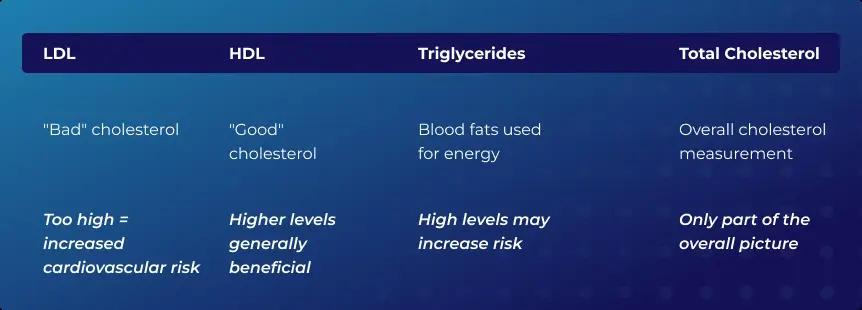
1. LDL Cholesterol: The “Bad” Cholesterol
Low-density lipoprotein (LDL) cholesterol is often called “bad cholesterol” because high levels can increase the risk of cardiovascular disease. LDL does have a useful role in the body, as it carries cholesterol to cells where it is needed. The problem begins when there is more LDL cholesterol in the blood than the body can manage effectively.
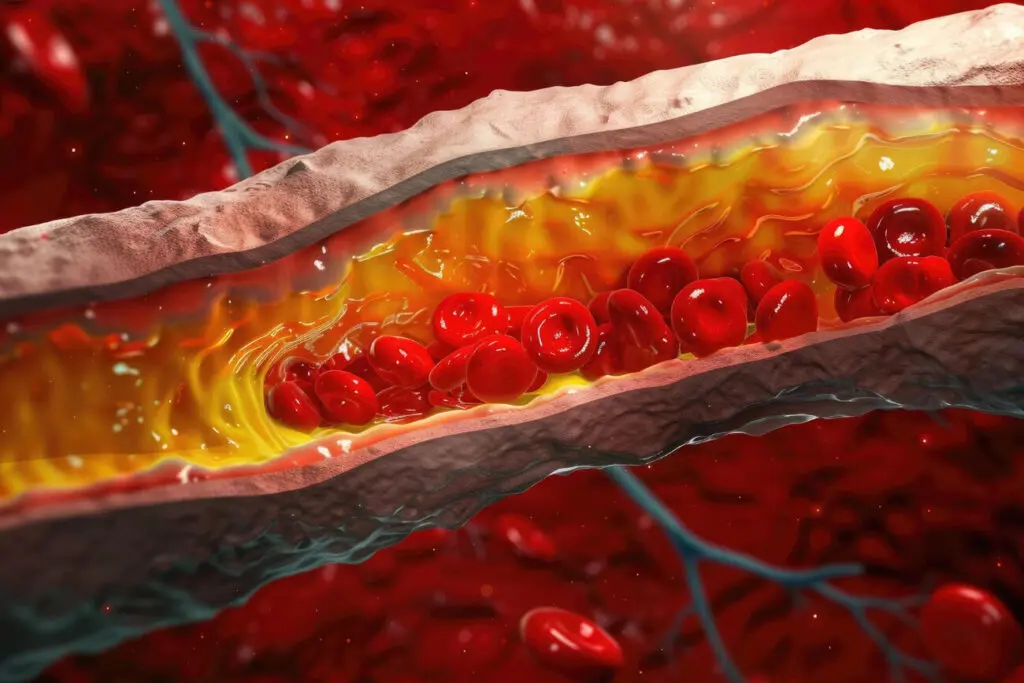
Over time, excess LDL cholesterol can build up within the walls of the arteries. This can contribute to fatty deposits, known as plaques, which may cause the arteries to become narrower and less flexible.
This process is called atherosclerosis. It can reduce blood flow and increase the likelihood of cardiovascular complications.
For this reason, healthcare professionals generally aim to reduce elevated LDL cholesterol levels, especially in people with other risk factors for heart disease, such as high blood pressure, diabetes, smoking, or a family history of heart disease.
2. HDL Cholesterol: The “Good” Cholesterol
High-density lipoprotein (HDL) cholesterol is often called “good cholesterol” because it helps remove excess cholesterol from the bloodstream.
HDL carries surplus cholesterol back to the liver, where it can be processed and removed from the body. This helps reduce the amount of cholesterol that might otherwise build up within the blood vessels.
Higher HDL levels are generally associated with a lower risk of cardiovascular disease. However, HDL is only one part of the overall picture. A healthy HDL level does not automatically eliminate risk if other factors, such as high LDL cholesterol, smoking, diabetes, or high blood pressure, are present.
3. Triglycerides
Triglycerides are another type of fat found in the blood.
After eating, the body converts calories it does not need straight away into triglycerides. These are stored in fat cells and can be used later for energy.
Factors that can contribute to elevated triglycerides include:
- Excess calorie consumption
- Obesity
- Physical inactivity
- Excessive alcohol intake
- Poorly controlled diabetes
- Certain genetic conditions
When triglyceride levels are too high, they may contribute to increased cardiovascular risk, especially when they appear alongside high LDL cholesterol or low HDL cholesterol.
4. Total Cholesterol and the Bigger Picture
Many people look first at their total cholesterol result, but this number only gives part of the picture. A more useful assessment usually looks at the different types of cholesterol and blood fats together.
Healthcare professionals typically review:
- Total cholesterol
- LDL cholesterol
- HDL cholesterol
- Triglycerides
The relationship between these measurements often provides a more meaningful assessment of cardiovascular risk than any single value alone.
This is why cholesterol results are usually interpreted alongside other important health factors, including blood pressure, age, family history, smoking status, diabetes, and overall cardiovascular health.
Why Does Cholesterol Matter for Heart Health?
The primary reason cholesterol receives so much attention is its relationship with cardiovascular disease.
Cardiovascular disease remains one of the leading causes of illness and death worldwide. While many factors influence cardiovascular health, cholesterol is among the most significant and most modifiable risk factors.
How Cholesterol Affects Blood Vessels
Arteries are responsible for carrying oxygen-rich blood from the heart to tissues throughout the body.
Under healthy conditions, arteries remain flexible and allow blood to flow freely. However, elevated LDL cholesterol can gradually contribute to the development of plaque within artery walls.
Over time, these deposits may:
- Narrow blood vessels
- Reduce blood flow
- Increase the risk of heart attack and stroke
Importantly, this process often develops slowly over many years or even decades.
Most people do not experience symptoms during the early stages of atherosclerosis. The first indication of a problem may occur only after blood flow becomes significantly restricted or a cardiovascular event takes place.
The Link Between Cholesterol and Heart Disease
When plaque develops within the coronary arteries, which supply blood to the heart muscle, the risk of coronary heart disease increases.
Coronary heart disease can reduce blood flow to the heart and may contribute to symptoms such as:
- Chest discomfort
- Shortness of breath
- Reduced exercise tolerance
In some cases, plaque can rupture, leading to the formation of a blood clot that suddenly blocks blood flow. This may result in a heart attack.
Reducing elevated cholesterol levels can help lower the likelihood of these complications and forms an important part of cardiovascular prevention strategies.
Cholesterol and Stroke Risk
The effects of cholesterol are not limited to the heart. Atherosclerosis can affect arteries throughout the body, including those supplying blood to the brain. If blood flow to part of the brain becomes blocked, a stroke may occur.
Several factors influence stroke risk, including:
- High cholesterol
- High blood pressure
- Smoking
- Diabetes
- Obesity
- Family history
Managing cholesterol levels is therefore an important component of maintaining both cardiovascular and neurological health.
Cholesterol Is Only One Piece of the Puzzle
While cholesterol is important, it should not be viewed in isolation.
A person’s overall cardiovascular risk depends on the interaction of multiple factors, including:
- Age
- Family history
- Blood pressure
- Blood sugar levels
- Physical activity
- Weight
- Smoking status
- Existing medical conditions
This is why cholesterol results are usually interpreted alongside a broader health assessment, rather than viewed as isolated numbers on a blood test.
Specialists in cardiology look at cholesterol in the context of a patient’s overall health, symptoms, medical history, and risk factors. This helps determine whether lifestyle changes, further tests, ongoing monitoring, or treatment may be appropriate.
For people who want a clearer understanding of their heart health, a comprehensive cardiovascular assessment can help identify risk factors early and support more informed decisions about prevention and long-term care.
What Causes High Cholesterol?
High cholesterol can develop for several reasons and is often influenced by a combination of factors rather than a single cause.
Lifestyle factors such as a diet high in saturated fats, physical inactivity, excess body weight, smoking, and excessive alcohol intake can all affect cholesterol levels and contribute to overall cardiovascular risk.
However, high cholesterol is not always linked to lifestyle. Some people inherit genetic conditions, such as familial hypercholesterolaemia, which affect how the body processes cholesterol. In these cases, cholesterol levels may be elevated from a younger age, even in people who follow a generally healthy lifestyle.
Certain health conditions, including diabetes, chronic kidney disease, hypothyroidism, liver disease, and metabolic syndrome, can also influence cholesterol levels.
Because many different factors can affect cholesterol, results should always be interpreted within the broader context of a person’s medical history, family history, lifestyle, and overall cardiovascular risk.
High Cholesterol Symptoms: Why It Is Often Called a Silent Risk Factor
One of the most important things to understand about high cholesterol is that it usually does not cause noticeable symptoms. A person can have elevated cholesterol for years and still feel completely well, which means it is often discovered only through a routine blood test, health check, or cardiovascular assessment.
Cholesterol itself does not typically cause pain, fatigue, or other obvious symptoms. Instead, the concern lies in the long-term effects of elevated cholesterol on blood vessels. Plaque build-up can develop gradually, and during the early stages, blood flow may remain sufficient for the body to function normally.
When Symptoms May Appear
Symptoms usually appear only once cardiovascular disease has already developed. For example, narrowing of the coronary arteries may eventually contribute to:
- Chest discomfort
- Shortness of breath
- Reduced exercise tolerance
Narrowing in other arteries can also lead to complications, depending on which part of the body is affected.
At this stage, care is no longer focused only on cholesterol levels. It may also involve assessing and managing established cardiovascular disease. This is why prevention, regular testing, and early identification are so important.
Who Should Consider Cholesterol Testing?
Even people who feel well may benefit from cholesterol testing, particularly if they have a family history of heart disease or other cardiovascular risk factors. Because high cholesterol rarely causes symptoms, testing is often the only way to know whether cholesterol levels are elevated.
While recommendations vary according to individual circumstances, cholesterol testing may be particularly valuable for:
- Adults over the age of 40
- Individuals with a family history of cardiovascular disease
- People with diabetes
- Those with high blood pressure
- Individuals who smoke
- People who are overweight or obese
- Anyone concerned about their cardiovascular health
How Is Cholesterol Measured?
The most common way to assess cholesterol levels is through a blood test known as a lipid profile.
This test checks different types of cholesterol and blood fats, helping healthcare professionals assess cardiovascular risk more accurately than a single cholesterol number.
A standard lipid profile commonly includes:
- Total cholesterol: this represents the combined amount of cholesterol in the blood, but on its own does not provide a complete assessment of cardiovascular risk.
- LDL cholesterol: this measures low-density lipoprotein cholesterol, with higher levels generally associated with increased cardiovascular risk.
- HDL cholesterol: this measures high-density lipoprotein cholesterol, with higher levels generally considered beneficial.
- Triglycerides: this measures the concentration of triglycerides in the bloodstream, with elevated levels potentially contributing to cardiovascular risk.
Understanding Cholesterol Results
Many people search for a single “normal” cholesterol number, but interpretation is more nuanced than that.
Healthcare professionals consider:
- Age
- Sex
- Family history
- Existing medical conditions
- Smoking status
- Blood pressure
- Diabetes risk
- Previous cardiovascular events
This broader view helps place cholesterol levels in the right clinical context and supports more personalised advice about monitoring, prevention, or treatment.
Can Cholesterol Levels Be Improved?

Cholesterol is one of the cardiovascular risk factors that can often be improved with the right approach. For many people, cholesterol management begins with understanding their results, reviewing lifestyle factors, and monitoring their overall heart health over time.
Diet is often one of the first areas to consider. Reducing foods high in saturated fats, increasing fibre intake, and choosing more vegetables, fruit, whole grains, pulses, nuts, seeds, and unsaturated fats can help support healthier cholesterol levels.
Regular physical activity can also improve cholesterol balance while supporting weight management, blood pressure, and blood sugar control.
Other changes may also reduce cardiovascular risk. Stopping smoking, moderating alcohol intake, maintaining a healthy weight, and managing conditions such as diabetes or high blood pressure can all make a meaningful difference.
However, lifestyle changes are not always enough on their own. Some people have elevated cholesterol because of inherited conditions, medical factors, or a higher underlying risk of cardiovascular disease. In these cases, medication may be recommended as part of a personalised treatment plan.
The most appropriate approach depends on the individual’s cholesterol results, medical history, family history, lifestyle, and wider cardiovascular risk.
Conclusion
Cholesterol plays an essential role in the body, but maintaining healthy levels is an important part of protecting long-term cardiovascular health.
Because high cholesterol often develops without symptoms, regular testing and understanding individual risk factors can help identify potential concerns early. A clearer understanding of cholesterol is often the first step towards making informed decisions about prevention, monitoring, and overall heart health.
Key Takeaways
- Cholesterol is essential for normal body function, but elevated levels can increase cardiovascular risk.
- LDL cholesterol can contribute to plaque build-up in arteries, while HDL cholesterol helps remove excess cholesterol from the bloodstream.
- High cholesterol rarely causes symptoms, making routine testing particularly important.
- Cholesterol results should be interpreted alongside other cardiovascular risk factors, including blood pressure, diabetes, smoking status, and family history.
- Early assessment and preventative care can help reduce the risk of future heart disease and stroke.
Concerned About Your Cholesterol Levels?
If you are concerned about your cholesterol levels, have recently received cholesterol test results, or have a family history of heart disease, a specialist cardiovascular assessment can help provide a clearer understanding of your overall risk.
A cardiovascular risk assessment can also help place cholesterol results in context by considering factors such as blood pressure, medical history, lifestyle, and family history.
At London Lauriston Clinic, patients have access to experienced cardiology specialists, comprehensive cardiovascular assessments, and advanced diagnostic testing designed to support early detection and preventative care. The clinic’s team can help interpret your results, assess wider risk factors, and provide personalised guidance based on your individual health profile.
Taking a proactive approach today can help support better cardiovascular health in the years ahead.