
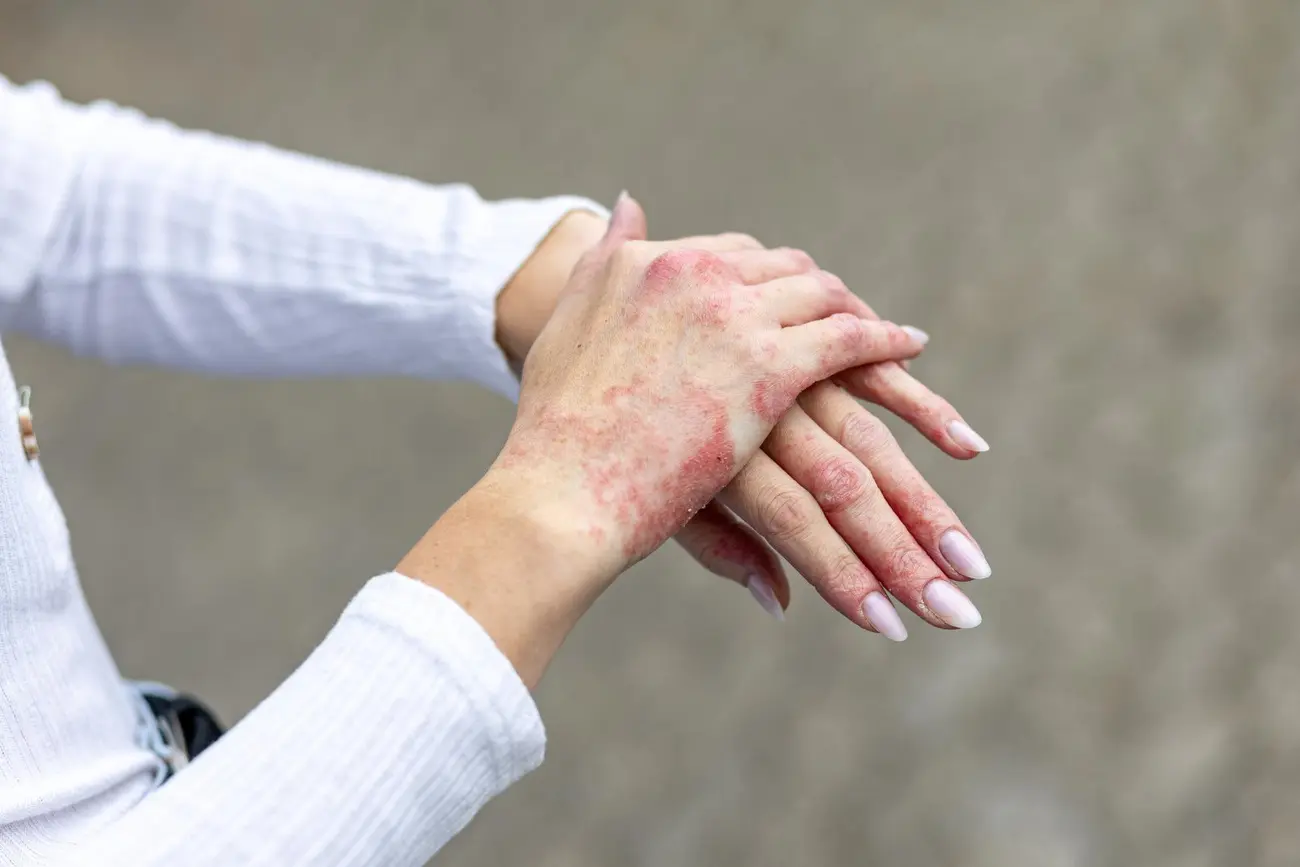
Adult Eczema: Why It Happens and How It Can Be Managed
Key Takeaway
Adult eczema can begin for the first time in adulthood or return after years without symptoms. It is often linked to a combination of skin barrier weakness, inflammation, irritants, allergens, stress, and environmental triggers. With an accurate diagnosis and a consistent management plan, symptoms can often be controlled more effectively.
Eczema is often associated with childhood, but it can affect adults too. Some people continue to have symptoms from childhood, while others develop eczema for the first time later in life, even after years of having no major skin problems.
Adult eczema can be uncomfortable, persistent, and disruptive. It may cause dry, itchy, inflamed, cracked, or sensitive skin, with symptoms that improve and then return during flare-ups. For some adults, eczema affects more than the skin itself. It can disturb sleep, make work more difficult, limit clothing choices, and affect confidence in social or professional settings.
It can also be confusing. A new rash in adulthood may be mistaken for dry skin, an allergic reaction, psoriasis, a fungal infection, or irritation from skincare products. This is why an accurate diagnosis matters, especially when symptoms are recurring, spreading, or not improving with standard moisturisers.
The reassuring point is that adult eczema can usually be managed with the right combination of diagnosis, skin barrier care, trigger awareness, and medical treatment where needed. The goal is not simply to calm the current flare-up, but to understand why symptoms are happening and reduce how often they return.
What is Adult Eczema?
Adult eczema is an inflammatory skin condition that can make the skin dry, itchy, sore, rough, scaly, cracked, or more reactive than usual. It often involves two key problems: a weakened skin barrier and inflammation within the skin.
The skin barrier normally helps keep moisture in and irritants out. When it is not working well, the skin can become dry and more sensitive to everyday triggers such as soaps, detergents, fragrances, fabrics, sweat, and weather changes. At the same time, the immune response in the skin may become overactive, leading to itching, redness, swelling, and flare-ups.
The term “eczema” does not refer to one single condition. It describes a group of inflammatory skin conditions. Atopic dermatitis is one of the most recognised types, but adults may also experience contact dermatitis, hand eczema, discoid eczema, seborrhoeic dermatitis, and other related forms.
Adults can develop any type of eczema, including atopic dermatitis. When atopic dermatitis begins after the age of 18, it is often referred to as adult-onset atopic dermatitis.
This distinction matters because itchy or inflamed skin is not always eczema. Psoriasis, fungal infections, rosacea, urticaria, allergic reactions, and some skin infections may look similar at first. A proper diagnosis helps ensure that treatment is directed at the actual condition, rather than only calming the most visible symptom.
Types of Eczema That Can Affect Adults
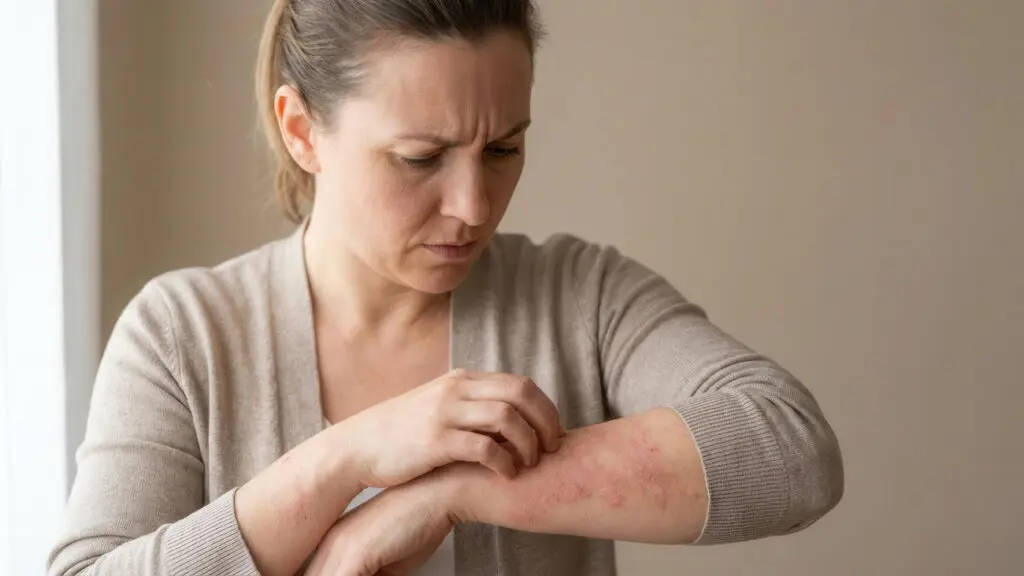
Eczema is not one single condition. It is a broad term used for several inflammatory skin conditions that can cause itching, dryness, irritation, scaling, cracking, and flare-ups.
Understanding the type of eczema involved is important because treatment may vary. Some forms are mainly linked with an inherited tendency towards sensitive, inflamed skin, while others are triggered by irritants, allergens, occupational exposure, or changes in the skin barrier.
Common types of eczema that can affect adults include:
1. Atopic Dermatitis
Atopic dermatitis, also known as atopic eczema, is one of the most recognised forms of eczema. It is often associated with dry, itchy, inflamed skin and may be linked with a personal or family history of asthma, hay fever, or allergies.
2. Contact Dermatitis
Contact dermatitis occurs when the skin reacts to something it touches. This may be an irritant, such as detergent, soap, cleaning products, or chemicals, or an allergen, such as fragrance, nickel, hair dye, preservatives, or certain cosmetics. In adults, this can be particularly relevant when eczema affects the hands, face, eyelids, or areas exposed to work-related substances.
3. Hand Eczema
Hand eczema is common in adults because the hands are frequently exposed to water, soap, sanitiser, gloves, detergents, chemicals, and friction. It may be more likely in people whose work involves healthcare, cleaning, hairdressing, catering, childcare, construction, or other roles involving wet work or repeated product exposure.
4. Discoid Eczema
Discoid eczema, sometimes called nummular eczema, causes round or oval patches of inflamed, itchy, or scaly skin. These patches may be mistaken for fungal infection or psoriasis, which is one reason persistent circular rashes should be assessed properly.
5. Seborrhoeic Dermatitis
Seborrhoeic dermatitis is a common inflammatory skin condition that tends to affect oilier areas of the body, such as the scalp, eyebrows, sides of the nose, ears, chest, and upper back.
6. Dyshidrotic Eczema
Dyshidrotic eczema can cause small, itchy blisters, usually on the hands, fingers, and sometimes the feet. It may be associated with sweating, irritation, stress, or other individual triggers.
Although these conditions can share similar symptoms, they are not managed in exactly the same way. This is why persistent or recurring eczema symptoms should be assessed properly, particularly when the rash is new in adulthood, affecting sensitive areas, or not improving with standard skincare measures.
Can Eczema Start in Adulthood?
Yes. Eczema can start in adulthood, even in people who did not have obvious eczema as children. It can also return after a long period of improvement.
Adults may develop eczema because of several overlapping factors, including skin barrier changes, immune activity, irritants, allergens, climate, stress, and occupational exposure.
For example, symptoms may appear after frequent handwashing, new skincare products, exposure to cleaning chemicals, or a change in working environment. Others may notice flare-ups during colder months, when central heating and cold weather make the skin drier.
Adult eczema can be frustrating because it is often mistaken for dry skin, a cosmetic reaction, or a temporary rash. Persistent or recurring symptoms deserve closer attention, especially when they affect sleep, work, or quality of life.
Common Symptoms of Adult Eczema
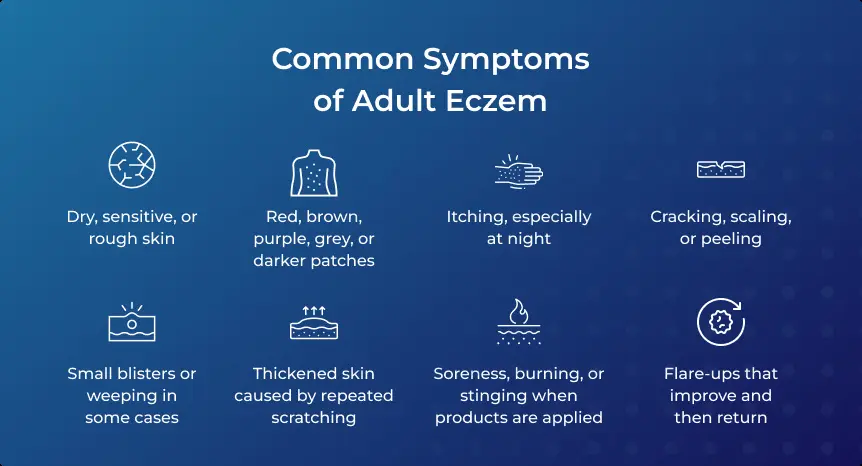
Adult eczema can look and feel different from one person to another. The most common symptom is itching, which may range from mild irritation to intense discomfort. Scratching can then make the skin more inflamed, cracked, thickened, or vulnerable to infection.
Common symptoms include:
- Dry, sensitive, or rough skin
- Red, brown, purple, grey, or darker patches, depending on skin tone
- Itching, especially at night
- Cracking, scaling, or peeling
- Small blisters or weeping in some cases
- Thickened skin caused by repeated scratching
- Soreness, burning, or stinging when products are applied
- Flare-ups that improve and then return
In adults with atopic dermatitis, eczema can affect areas such as the hands, face, eyelids, neck, inside of the elbows, behind the knees, and other skin folds.
Eczema may also appear differently on darker skin tones. Redness may be less obvious and inflammation may appear brown, purple, grey, or darker than the surrounding skin. This can sometimes delay recognition, particularly when symptoms are described only in terms of redness.
Medical advice is especially important if the skin is painful, oozing, crusting, rapidly worsening, affecting the eyes, or associated with fever or spreading warmth.
Why Adult Eczema Happens
Adult eczema usually develops when the skin becomes more reactive and less able to protect itself from everyday irritants. It is rarely caused by one factor alone, and often reflects a combination of skin barrier weakness, inflammation, genetic tendency, triggers, and environmental influences.
A Weakened Skin Barrier
A healthy skin barrier helps keep moisture in and irritants out. When the barrier is weakened, the skin loses water more easily and becomes more sensitive to soaps, detergents, fragrances, weather changes, fabrics, sweat, and repeated friction. This can lead to dryness, itching, and inflammation.
Immune System Activity
Eczema is an inflammatory skin condition. In eczema-prone skin, the immune system can react strongly to triggers that may seem minor, which can cause redness, itching, swelling, and flare-ups.
Genetics and Atopic Tendency
Some adults with eczema have a personal or family history of asthma, hay fever, allergies, or childhood eczema. However, adult eczema can still develop in people with no obvious allergy history.
Irritants and Allergens
Everyday substances can make eczema worse, especially when the skin barrier is already sensitive. Common triggers may include:
- Soaps, detergents, and cleaning products
- Fragranced skincare or cosmetics
- Wool, rough fabrics, or tight clothing
- House dust mites, pollen, mould, or pet dander
- Hand sanitisers, shaving products, or workplace chemicals
Environment, Lifestyle, and Stress
Cold weather, central heating, sweating, frequent handwashing, poor sleep, and work-related exposure may all contribute to flare-ups. Some adults may notice symptoms worsen during colder months or during periods of increased stress.
Stress does not directly explain every case of eczema, but stress and inflammatory skin conditions can interact. Stress may worsen itching, disturb sleep, increase scratching, and make flare-ups harder to control.
Infection and Skin Damage
Scratching can break the skin and make it more vulnerable to infection. If eczema becomes painful, crusted, weeping, hot, swollen, or suddenly worse, medical advice should be sought. Eczema itself is not contagious.
Understanding these factors can make it easier to identify triggers, protect the skin barrier, and choose the right treatment plan.
Adult Eczema Triggers: What Can Make Flare-ups Worse?
Eczema triggers are personal. What affects one person may not affect another, which is why broad advice is only useful up to a point. The aim is to identify patterns and reduce avoidable irritation, rather than blame one single cause.
Common Triggers to Consider
Adult eczema flare-ups may be worsened by:
- Harsh soaps, detergents, and cleaning products
- Fragranced skincare, cosmetics, and perfumes
- Hot showers, long baths, heat, and sweating
- Wool, rough fabrics, synthetic materials, and tight clothing
- Dust mites, pollen, mould, and pet dander
- Workplace irritants, frequent handwashing, or glove use
- Stress, poor sleep, and repeated scratching
Washing and Bathing Habits
Very hot water can strip natural oils from the skin and make eczema-prone skin more reactive. Warm water, gentle cleansing, shorter washing times, and regular moisturising can help support the skin barrier.
Laundry products, bedding, pet exposure, pollen, mould, exercise habits, and workplace irritants may also need attention if they seem to coincide with flare-ups.
Skincare and Product Choices
Product choice matters. Fragranced body washes, heavily perfumed creams, exfoliating acids, retinoids, and active cosmetic ingredients may irritate eczema-prone skin, especially during a flare.
This does not mean skincare should be avoided altogether. It means the routine should be simplified when the skin is inflamed, with gentle, fragrance-free products used where possible.
Diet and Eczema
Food can be relevant for some patients, especially when there is a clear allergy history. However, adult eczema is not always food-driven.
Restrictive diets should not be started without professional advice, as they may be unnecessary, difficult to maintain, and unlikely to help if food is not a true trigger.
Keeping Track of Patterns
A trigger diary can be useful. Recording flare-ups, products used, work exposure, weather changes, stress levels, sleep, and symptoms may help identify patterns over time.
How Adult Eczema is Diagnosed
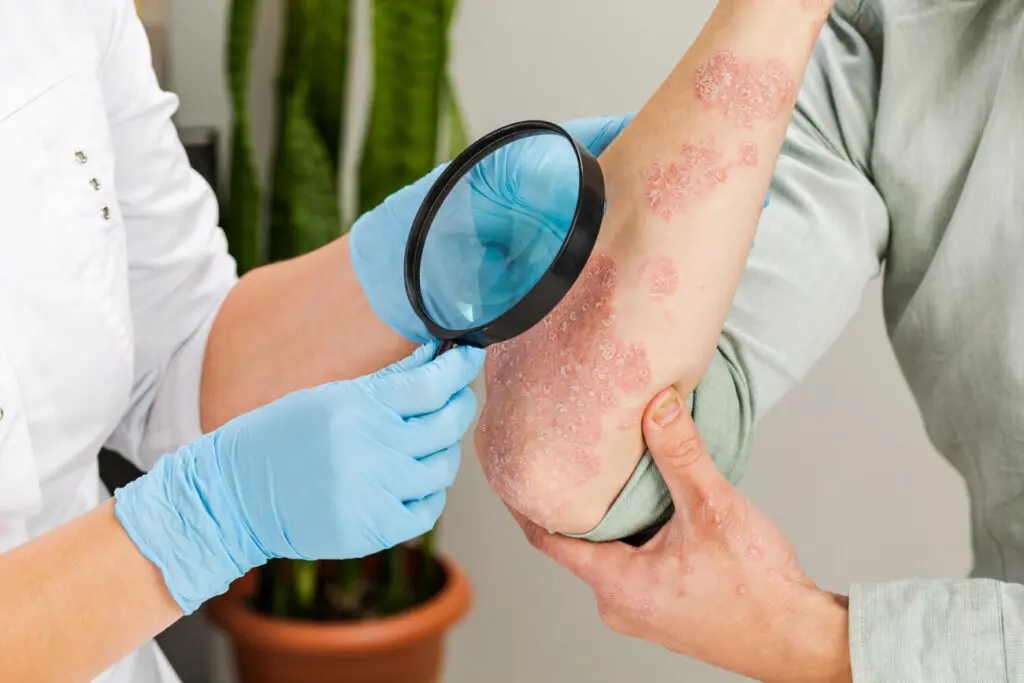
Adult eczema is usually diagnosed through a clinical assessment. A dermatologist will examine the appearance, location, duration, and pattern of the rash, as well as the patient’s wider medical history.
Important details may include when the symptoms started, whether they come and go, which areas of the body are affected, whether itching disrupts sleep, and whether there is a history of asthma, hay fever, allergies, childhood eczema, or other skin conditions.
A dermatologist may also ask about skincare products, hair products, cosmetics, laundry detergents, work exposure, hobbies, pets, home environment, and recent travel. These details can help determine whether the symptoms are more likely to be atopic dermatitis, contact dermatitis, irritant dermatitis, infection, psoriasis, or another skin condition.
In some cases, further tests may be considered. Patch testing may be useful if allergic contact dermatitis is suspected. A skin swab may be taken if infection is possible. Rarely, a biopsy may be recommended if the diagnosis is unclear or the rash has unusual features.
For adults with persistent, recurring, or unexplained eczema symptoms, professional assessment can help identify the type of eczema involved and guide appropriate next steps.
London Lauriston Clinic provides dermatology consultations in London for patients concerned about adult eczema, atopic dermatitis, dermatitis, and other skin conditions. This can be particularly helpful when symptoms are difficult to control, affecting daily life, or not improving with standard skincare measures.
What an Adult Eczema Treatment Plan May Include
Adult eczema treatment is usually built around several goals: protecting the skin barrier, calming flare-ups, reducing triggers, relieving itch, and reviewing symptoms when they are persistent or difficult to manage.
There is currently no cure for atopic eczema, but treatment can help manage symptoms and improve the condition.
1. Daily Skin Barrier Care
Emollients are one of the foundations of eczema care. These moisturising products help reduce dryness, support the skin barrier, and make the skin less vulnerable to irritation.
They are usually most effective when used consistently, not only when the skin feels very dry. For many adults, this means applying moisturiser after washing and continuing regular use even when symptoms improve.
Soap substitutes may also be recommended because standard soaps, foaming cleansers, and shower gels can worsen dryness and irritation.
2. Treatment During Flare-ups
Topical corticosteroids may be prescribed to reduce inflammation during eczema flare-ups. These should be used according to medical guidance, with the right strength for the severity of symptoms and the area affected.
Sensitive areas, such as the face, eyelids, and skin folds, often need particular care. In some cases, topical calcineurin inhibitors may be considered, especially where eczema affects delicate areas or where repeated steroid use may not be suitable.
3. Itch and Sleep Support
Itching is one of the most disruptive symptoms of adult eczema, especially when it affects sleep. Antihistamines may help some patients, particularly where itch is worse at night or where there are associated allergic symptoms.
They are not a universal eczema treatment, but they may form part of a wider plan in selected cases.
4. Specialist Treatment for Persistent Eczema
For more severe, widespread, or persistent eczema, a dermatologist may consider additional treatments such as phototherapy, specialist dressings, or systemic medicines. These decisions depend on the type of eczema, severity of symptoms, previous treatment response, affected areas, medical history, and impact on daily life.
5. Daily Habits That Support Long-term Control

The most effective adult eczema treatment plan is usually practical rather than complicated. It should help the patient understand what to use every day, what to use during a flare-up, which triggers may need to be avoided, when treatment should be reviewed, and when specialist dermatology care may be needed.
Helpful daily habits may include:
- Moisturising consistently, especially after washing
- Washing with warm rather than hot water
- Using gentle cleansers or soap substitutes
- Choosing fragrance-free products where possible
- Protecting the hands during cleaning or wet work
- Wearing loose, breathable fabrics
- Avoiding frequent product changes and overcomplicated skincare routines
The aim is not only to calm the current flare-up, but to reduce how often symptoms return, how severe they become, and how much they interfere with daily life.
When Should Someone See a Dermatologist
A dermatologist should be considered when eczema is new, persistent, worsening, or difficult to control, especially if it affects sleep, work, confidence, exercise, or daily comfort.
Medical review is also advisable if the rash affects the face, eyelids, hands, genitals, or large areas of skin, or if over-the-counter products are not helping. Symptoms such as oozing, crusting, increasing pain, warmth, swelling, or fever may suggest infection and should not be ignored.
A dermatologist can help confirm whether the symptoms are caused by adult eczema, atopic dermatitis, contact dermatitis, psoriasis, infection, or another skin condition. This matters because the right treatment depends on the right diagnosis.
For patients looking for a private health clinic in London, London Lauriston Clinic offers dermatology consultations in central London for concerns such as eczema, atopic dermatitis, dermatitis, psoriasis, and other skin conditions. If symptoms are recurring, unexplained, or difficult to control, a consultation with a dermatologist can help clarify the diagnosis and support long-term skin management.
Conclusion
Adult eczema can be persistent, but it can usually be managed with the right approach. The first step is recognising that eczema is more than dry skin. It is an inflammatory skin condition involving the skin barrier, immune response, personal triggers, and sometimes wider atopic tendencies.
For many adults, improvement comes from consistent moisturising, gentler washing, trigger awareness, and appropriate treatment during flare-ups. For others, especially those with recurring, severe, or unexplained symptoms, dermatologist-led care may be needed to confirm the diagnosis and guide a safer, more effective plan.
Anyone experiencing new, spreading, painful, persistent, or disruptive eczema symptoms should avoid relying on guesswork. A professional assessment can help identify the type of eczema, rule out similar skin conditions, and reduce the trial-and-error approach that often delays improvement.