

What Iron Levels Indicate the Need for an Iron Infusion
Iron deficiency remains one of the most common nutritional deficiencies in the United Kingdom. It often develops gradually, making it easy to overlook. Persistent tiredness, difficulty concentrating, shortness of breath on exertion, or reduced exercise tolerance are frequently attributed to stress or poor sleep rather than an underlying issue with iron levels.
In many cases, iron deficiency is first identified through routine blood testing. Oral iron supplements are usually the appropriate initial treatment, and for most individuals, iron stores improve over time. However, some people continue to feel unwell despite taking oral iron, or their blood results show that levels are not recovering as expected.
At this stage, a more specific question arises: which iron levels suggest that an iron infusion may be the more suitable option?
The decision to proceed with intravenous iron is not based on a single number alone. It takes into account laboratory findings, the severity and persistence of symptoms, tolerance of oral iron, and whether an underlying condition may be affecting absorption.
This article outlines the iron levels and clinical indicators that may suggest an iron infusion is appropriate.
Understanding Iron Status: Which Blood Markers Matter Most?
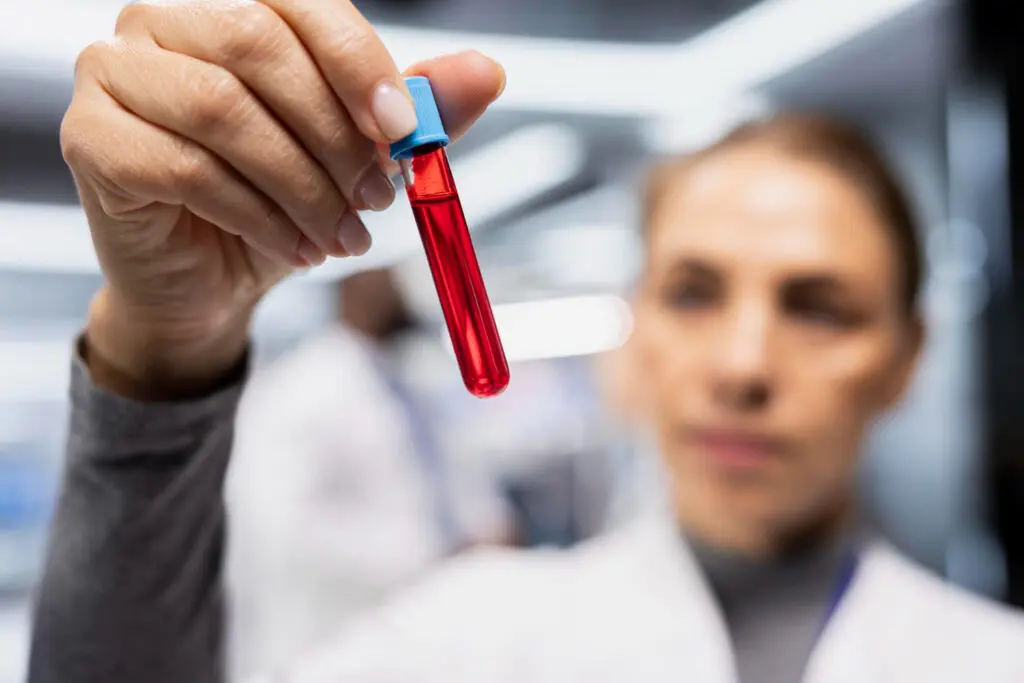
Iron status cannot be determined from a single result. It requires reviewing multiple blood markers alongside your symptoms.
Serum Ferritin
Serum ferritin is the most important marker when assessing iron stores. It reflects how much iron your body has in reserve. A low ferritin level is often the earliest sign of iron deficiency, even before haemoglobin drops. In many UK laboratories, ferritin levels below the lower reference range are considered indicative of depleted iron stores, but clinical interpretation remains essential.
This means you may feel tired, notice hair thinning, or struggle with exercise tolerance while standard haemoglobin results still appear “normal.” In clinical practice, a clearly low ferritin combined with ongoing symptoms is more significant than a borderline result in someone who feels well.
If ferritin levels remain persistently low despite taking oral iron supplements, this may raise the question of whether an iron infusion would be more effective.
Haemoglobin and Iron Deficiency Anaemia
If iron deficiency progresses, haemoglobin levels can fall, leading to iron deficiency anaemia. Haemoglobin carries oxygen around the body, so when levels drop, tissues receive less oxygen.
At this stage, symptoms may become more noticeable. Breathlessness on exertion, heart palpitations, dizziness, and marked fatigue are common.
The severity of anaemia helps guide treatment decisions. Mild reductions may still respond to oral iron. However, more significant anaemia, especially when it affects daily functioning, may justify intravenous iron to restore haemoglobin more efficiently.
Transferrin Saturation and Serum Iron
Transferrin saturation measures how much iron is circulating in the bloodstream and available for immediate use. When transferrin saturation is low alongside low ferritin, it strengthens the diagnosis of iron deficiency.
Serum iron on its own is less reliable because it fluctuates throughout the day and can be influenced by recent meals. For this reason, clinicians assess iron status as a full profile rather than relying on a single number. Looking at the complete picture allows treatment decisions, including whether an iron infusion is appropriate, to be made with greater accuracy and safety.
When Do Iron Levels Indicate Oral Iron Is Not Enough?
Oral iron supplements are usually the first step in treatment. They are widely available, suitable for mild iron deficiency, and effective for many people when taken consistently over time.
However, there are situations where blood results and symptoms suggest that oral iron may not be achieving the desired improvement.
Persistently Low Ferritin Despite Treatment
One common scenario is when ferritin levels remain low despite an adequate course of oral iron. This can indicate that the body is not absorbing iron efficiently, that the dose is insufficient, or that ongoing blood loss or increased demand is outpacing replacement.
Difficulty Tolerating Oral Iron
Another issue is tolerance. Oral iron frequently causes gastrointestinal side effects such as nausea, abdominal discomfort, constipation, or diarrhoea. In reality, many patients find it difficult to continue treatment for the several months often required to fully replenish iron stores.
Medical Conditions That Limit Iron Absorption
Lastly, certain medical conditions can also reduce absorption. Coeliac disease, inflammatory bowel disease, and previous gastric or bariatric surgery may significantly limit how much iron the body can take up from tablets. In these cases, intravenous iron infusions bypass the digestive system entirely and deliver iron directly into the bloodstream, making treatment more reliable.
Moving from oral therapy to an iron infusion is a clinical decision, guided by persistent abnormal results, ongoing symptoms, and response to treatment.
Iron Level Scenarios That May Indicate an Iron Infusion
Certain clinical situations, when considered alongside blood results and symptoms, may indicate that an iron infusion is the more appropriate option.
1. Severely Low Ferritin with Significant Symptoms
When ferritin levels are markedly low and symptoms such as persistent fatigue, mental fog, or reduced exercise tolerance are affecting daily life, a faster correction may be considered. If iron stores are significantly depleted and quality of life is compromised, the potential benefits of iron infusions may outweigh the option of continuing with oral therapy alone.
2. Iron Deficiency Anaemia with Functional Impairment
If haemoglobin has fallen to the point that normal daily activities become difficult, more timely intervention may be needed. Breathlessness, reduced stamina, and impaired concentration can affect work performance and general wellbeing. In such cases, waiting months for oral iron to improve haemoglobin may not be appropriate, and intravenous iron may be recommended to restore levels more efficiently.
3. Ongoing Blood Loss
Where there is continued blood loss, such as heavy menstrual bleeding or gastrointestinal bleeding, iron losses may exceed what oral supplements can realistically replace. In these situations, iron infusions can restore iron levels more effectively while investigations into the underlying cause continue.
4. Preoperative Optimisation
Patients preparing for planned surgery benefit from having optimal haemoglobin levels beforehand. Low ferritin or anaemia prior to an operation may increase perioperative risk and delay recovery. An iron infusion can be used strategically to improve iron status before planned procedures. Additional scenarios may include chronic kidney disease, pregnancy, or postpartum iron deficiency where timely correction is clinically important.
Being aware of these situations allows you to have a more meaningful conversation with your clinician about whether intravenous iron is appropriate in your case. Treatment is tailored to clinical findings, taking into account your blood results, the severity of your symptoms, your medical history, and your priorities for recovery and overall wellbeing.
Why Iron Infusions Can Restore Iron Levels More Efficiently

When iron levels are significantly low, some patients require a more direct and reliable method of correction.
An iron infusion delivers iron straight into the bloodstream, bypassing the digestive system. This avoids the absorption limits that can affect oral iron and allows a larger total dose to be administered in a single course of treatment.
One of the key advantages of intravenous iron is predictability. Because absorption is no longer dependent on the gastrointestinal tract, iron stores can be replenished more efficiently. Haemoglobin levels often begin to rise within a few weeks, and many patients notice gradual improvements in energy, concentration, and physical stamina as levels recover.
In clinical practice, IV iron is considered when laboratory findings and symptoms indicate that oral therapy is unlikely to achieve timely or adequate correction. The goal is reliable restoration of iron stores when standard treatment has not been sufficient.
Safety Considerations: Benefits and Risks of Iron Infusion
Safety remains a central consideration in any intravenous treatment. Modern IV iron preparations have a well-established safety profile and are widely used in hospital and specialist clinic settings.
Most side effects, if they occur, are mild and temporary. These may include headache, flushing, a metallic taste, or minor discomfort at the infusion site. Serious reactions are rare, but they are recognised, which is why infusions are administered in a controlled clinical environment. Structured safety protocols typically include a detailed pre-infusion medical assessment, monitoring during administration, and follow-up blood testing to confirm that iron levels are improving as expected.
In a structured private clinical setting such as London Lauriston Clinic, iron infusion therapy is delivered within a clearly defined clinical framework, ensuring treatment is carefully supervised and aligned with established standards. Clear explanation of both the benefits and potential risks supports informed decision-making and allows patients to proceed with reassurance and confidence.
Iron Infusion Assessment at London Lauriston Clinic
Before recommending an iron infusion, a comprehensive assessment is essential. This begins with detailed blood testing to evaluate iron status, including ferritin, haemoglobin, and transferrin saturation. These results help determine not only whether iron levels are low, but how significant the deficiency is.
A detailed medical history is equally important. Your clinician will explore possible causes such as dietary intake, heavy menstrual bleeding, gastrointestinal conditions, or previous surgery.
Symptoms are reviewed alongside laboratory findings. The decision to move from oral iron to intravenous treatment depends on several factors: the degree of deficiency, the impact of symptoms on daily life, tolerance of oral supplements, and response to previous therapy.
Importantly, restoring iron without addressing the underlying cause can lead to recurrence. A structured diagnostic approach reduces this risk and supports more sustainable recovery.
You will also receive clear, balanced information about your options, whether that involves continuing oral iron or proceeding with an iron infusion. At London Lauriston Clinic, a private health clinic, this process is evidence based and consultant led, focused on restoring iron safely while identifying and managing the cause of deficiency.
FAQs About Iron Levels and Iron Infusions
What ferritin level requires an iron infusion?
There is no single ferritin number that automatically means you need an iron infusion. The decision depends on the full clinical picture, including symptoms, haemoglobin levels, and response to oral iron. Very low ferritin combined with ongoing symptoms or anaemia may support intravenous treatment, especially if oral iron has not been effective.
How quickly do iron levels improve after an iron infusion?
Haemoglobin often begins to rise within a few weeks. Iron stores are typically replenished over a similar period, although the timeline varies depending on how low levels were at the start and how the body responds to treatment.
How many IV iron infusions are usually required?
The number of infusions depends on how low your iron levels are and the specific preparation used. In many cases, one infusion is sufficient, although some patients may require more than one to fully restore iron stores.
Can iron deficiency return after treatment?
Yes. If the underlying cause, such as ongoing blood loss or poor absorption, is not addressed, iron levels can fall again. Follow-up monitoring is important to ensure levels remain stable.
Are oral iron supplements always tried first?
In most cases, yes. Exceptions include significant intolerance, conditions that impair absorption, or situations where faster correction is medically necessary.
Conclusion
Iron levels alone do not determine whether an iron infusion is needed. The decision is based on a combination of blood results, including ferritin, haemoglobin, and transferrin saturation, alongside symptoms, response to oral iron, and the underlying cause of iron deficiency.
For many people, oral iron is appropriate and effective. However, when blood markers and clinical findings show that recovery may be slow or uncertain with tablets alone, iron infusions offer a faster and more reliable way to restore iron levels.
With a thorough clinical assessment, treatment can be carefully selected to achieve meaningful improvement as efficiently and safely as possible. When the benefits and potential risks of iron infusion are clearly explained, patients can move forward with confidence, knowing their treatment plan is grounded in medical evidence and focused on restoring energy, function, and overall wellbeing.