

Cardio-Metabolic Analysis
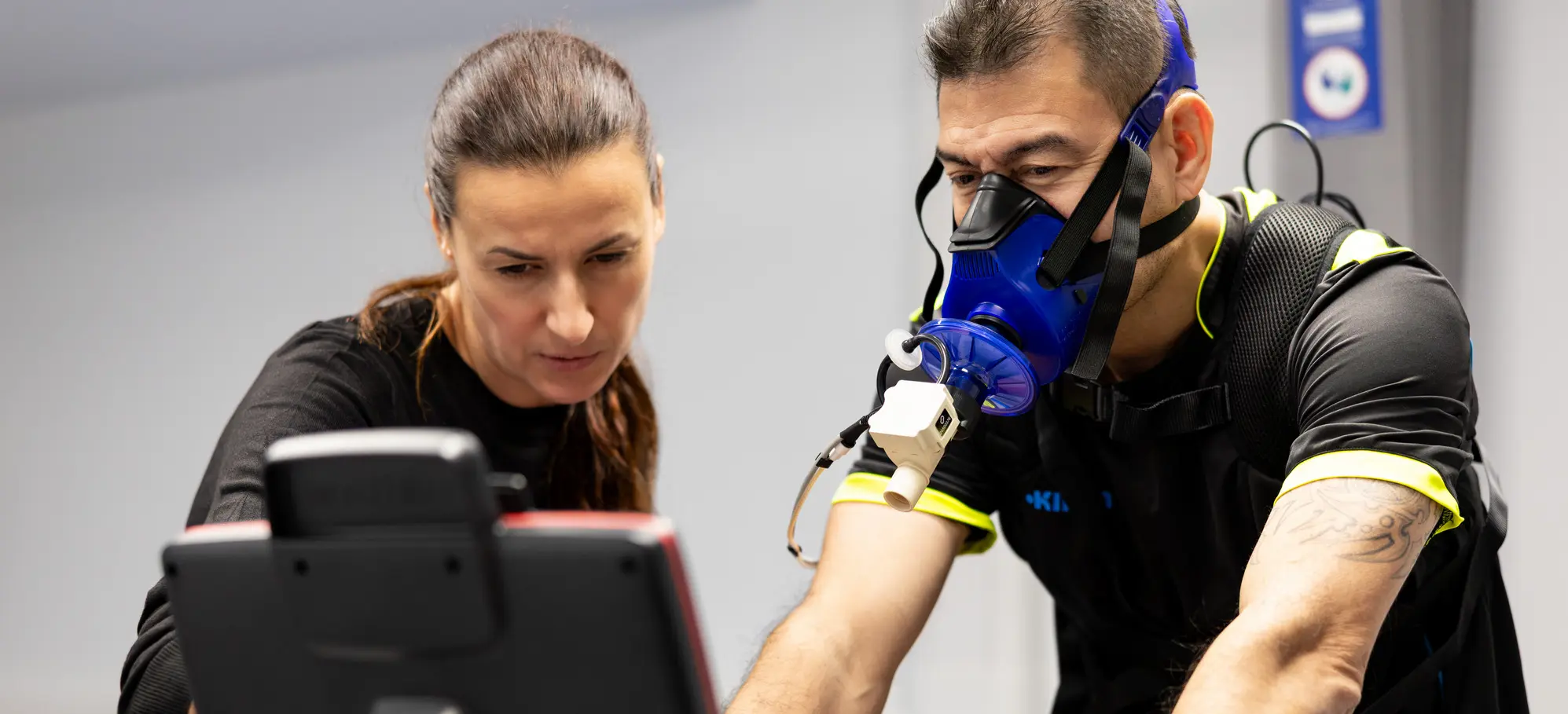
Cardio-metabolic analysis is a non-invasive diagnostic test that evaluates how your heart, lungs, metabolism, and nervous system work together at rest, during exercise, and in recovery. It provides objective insight into cardiovascular fitness, energy metabolism, and recovery capacity using advanced gas analysis and heart rate monitoring.
This test is suitable for individuals looking to assess cardiometabolic health, optimise exercise and training, manage weight or metabolic risk, or understand unexplained fatigue or reduced exercise tolerance.
What does the test measure?
Cardio-metabolic analysis assesses 23 key physiological and metabolic markers, including:
- Resting metabolic rate (RMR)
- Heart rate and heart rate variability (HRV)
- Oxygen uptake (VO₂) and carbon dioxide production (VCO₂)
- Fat and carbohydrate utilisation
- Aerobic capacity (VO₂ max)
- Ventilatory efficiency and breathing patterns
- Autonomic nervous system regulation
- Cardiovascular and metabolic recovery after exercise
How the test is performed
The assessment consists of two parts:
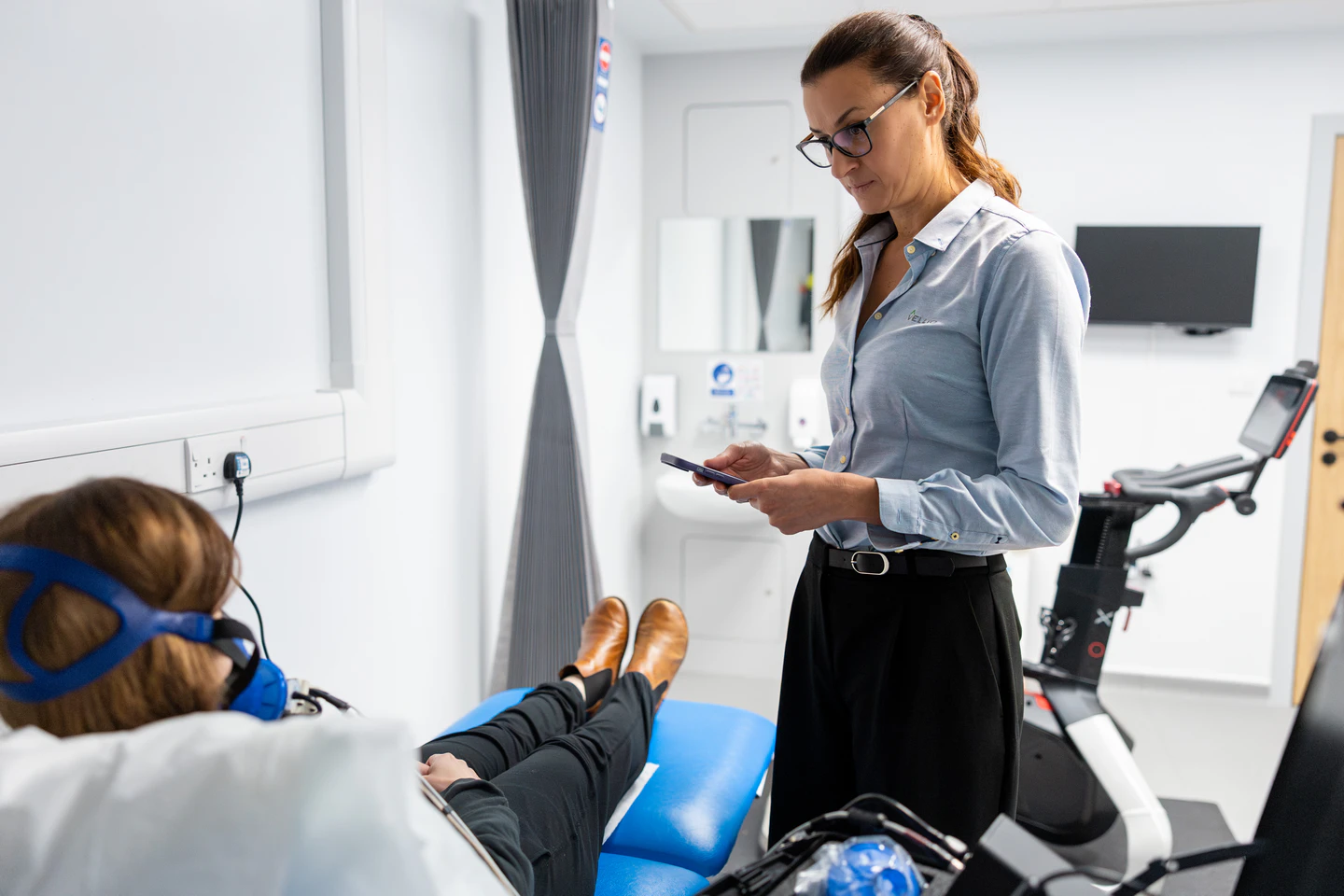
1) Resting cardio-metabolic test
(Approximately 10 minutes)
The individual sits or lies comfortably while breathing through a face mask connected to specialised gas-analysis equipment. Heart rate is continuously monitored.
This phase evaluates baseline metabolism, breathing efficiency, and autonomic nervous system balance, providing an accurate measurement of resting energy requirements and overall metabolic health.
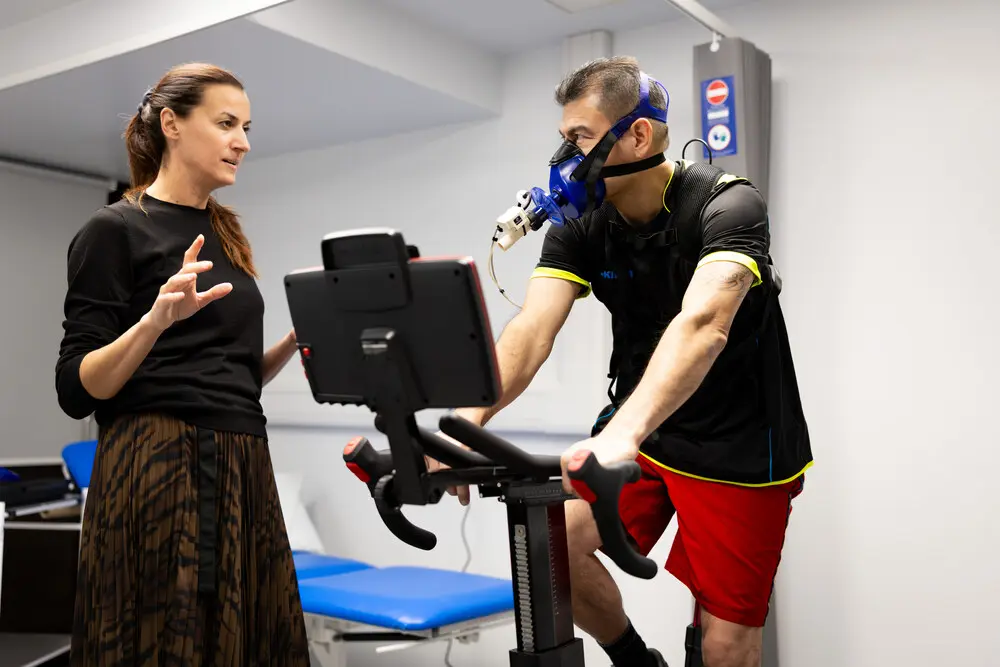
2) Exercise cardio-metabolic test
(Warm-up, graded exercise, and recovery)
The individual exercises on a treadmill or stationary bike with gradually increasing intensity. Breathing gases and heart rate are monitored throughout the test.
This phase assesses aerobic fitness, cardiovascular efficiency, metabolic performance, and the body’s ability to adapt to and recover from physical stress.

Key clinical insights
- Aerobic fitness (VO₂ Max): A gold-standard indicator of cardiovascular health and long-term cardiometabolic risk
- Metabolic efficiency: How effectively your body uses fat and carbohydrates for energy
- Training thresholds: Personalised intensity zones for fat burning, aerobic conditioning, and performance
- Autonomic function: Insight into stress load, recovery capacity, and nervous system balance
Recovery response: How quickly heart rate and breathing return towards baseline after exertion

Who is this test suitable for?
- Individuals assessing cardiovascular or metabolic health
- Patients with fatigue, reduced exercise tolerance, or cardiometabolic risk factors
- Those seeking personalised exercise and training guidance
- Weight management and metabolic health optimisation
- Athletes or active individuals monitoring fitness and recovery
Results and personalised recommendations
Following the assessment, the results are analysed to create an individual cardio-metabolic profile. Based on the findings, personalised recommendations may include:
- Exercise guidance and training intensity thresholds
- Nutrition and energy intake recommendations based on measured resting metabolic rate (RMR)
- Strategies to improve metabolic flexibility and recovery capacity
- Lifestyle and stress management insights
- Follow-up testing to monitor progress over time