
Shingles Explained: Symptoms, Causes, and How to Reduce the Risk
Shingles is a viral infection that affects the nerves and skin, and it often begins with pain before a rash becomes visible. Clinically referred to as herpes zoster, it develops when the varicella-zoster virus, the same virus that causes chickenpox, becomes active again in the body.
After recovery from chickenpox, the virus does not disappear. It remains inactive and may reactivate years later as shingles.
Although shingles can occur at any age, it is more frequently seen in adults over 50 and in those with a weakened immune system. It is sometimes underestimated as a minor skin condition, yet it can lead to significant discomfort and, in some cases, longer-term complications.
Recognising the early signs and understanding how to reduce risk can make a meaningful difference in both recovery and prevention.
This article outlines the key symptoms, causes, and ways to manage shingles in a clear and practical way, helping to clarify what to expect and when it may be appropriate to seek medical advice.
Key Takeaways
- Shingles is caused by reactivation of the chickenpox virus
- Early symptoms often begin before a rash appears
- Prompt treatment can reduce severity and complications
- Risk increases with age and weakened immunity
- Vaccination is the most effective way to reduce risk
What Is Shingles and Why Does It Occur?
Shingles develops when the varicella-zoster virus, which remains in the body after a previous chickenpox infection, becomes active again. Rather than leaving the body completely, the virus stays inactive in nerve tissue and can reactivate later in life, sometimes many years after the initial illness.
This reactivation is often linked to changes in the immune system. As people get older, the body may become less effective at keeping the virus under control, which is why shingles is more common with age.
Other contributing factors may include physical or emotional stress, underlying health conditions, or treatments that affect immune function.
Unlike many viral infections, shingles is not typically acquired through direct exposure. It develops from a virus already present in the body. However, the virus can be passed on through direct contact with shingles blisters, which may cause chickenpox in someone who has not previously had it.
Who Is Most at Risk of Shingles?
Shingles can affect anyone who has previously had chickenpox, as the virus remains in the body after the initial infection. However, some individuals are more likely to develop it.
Those at higher risk include:
- Adults over the age of 50
- Individuals with a weakened immune system
- People undergoing treatments such as chemotherapy or immunosuppressive therapy
- Those living with long-term medical conditions
While these factors increase the likelihood, shingles can also occur in otherwise healthy individuals. Being aware of the symptoms and seeking early advice remains important for everyone.
Shingles Symptoms and How It Affects the Body
Recognising the early signs of shingles can make a meaningful difference in how the condition develops and how quickly it can be managed.
Symptoms often begin before any visible rash appears. Many people notice unusual sensations in a specific area of the body, such as tingling, burning, itching, or localised pain. This early stage may last several days and is sometimes mistaken for a minor irritation or muscle strain.
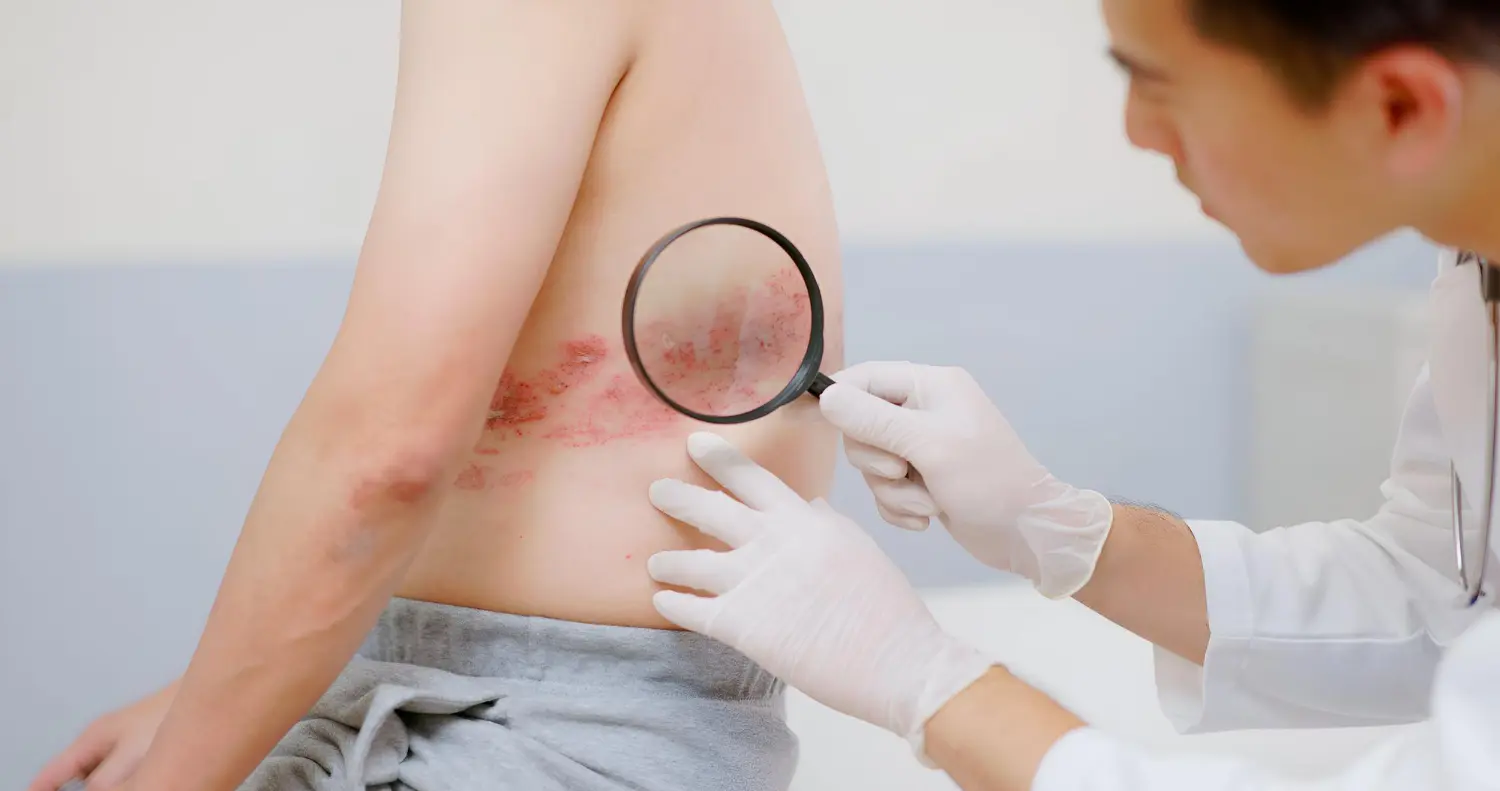
As the condition progresses, a rash typically develops on one side of the body or face, following the path of affected nerves. It usually starts as red patches and then forms small, fluid-filled blisters that gradually dry and crust over.
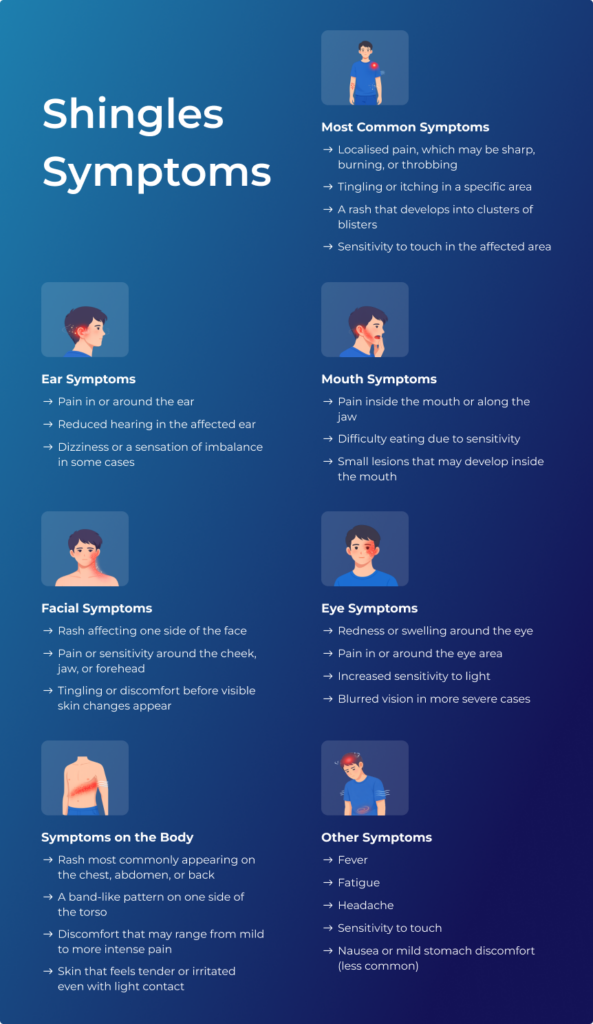
While symptoms can vary, they often fall into the following groups:
Most Common Symptoms
- Localised pain, which may be sharp, burning, or throbbing
- Tingling or itching in a specific area
- A rash that develops into clusters of blisters
- Sensitivity to touch in the affected area
Symptoms on the Body
- Rash most commonly appearing on the chest, abdomen, or back
- A band-like pattern on one side of the torso
- Discomfort that may range from mild to more intense pain
- Skin that feels tender or irritated even with light contact
Facial Symptoms
- Rash affecting one side of the face
- Pain or sensitivity around the cheek, jaw, or forehead
- Tingling or discomfort before visible skin changes appear
Ear Symptoms
- Pain in or around the ear
- Reduced hearing in the affected ear
- Dizziness or a sensation of imbalance in some cases
Eye Symptoms
- Redness or swelling around the eye
- Pain in or around the eye area
- Increased sensitivity to light
- Blurred vision in more severe cases
Symptoms affecting the eye require prompt medical attention to reduce the risk of complications.
Mouth Symptoms
- Pain inside the mouth or along the jaw
- Difficulty eating due to sensitivity
- Small lesions that may develop inside the mouth
Other Symptoms
- Fever
- Fatigue
- Headache
- Sensitivity to touch
- Nausea or mild stomach discomfort (less common)
Shingles primarily affects the nervous system, which is why pain is often one of the most noticeable features. The virus travels along nerve pathways, causing inflammation and irritation, which leads to a band-like rash on one side of the body following specific nerves (dermatomes).
Pain can vary from mild to more intense and, in some cases, may persist even after the rash has healed. The condition typically resolves within two to four weeks, although recovery time can vary depending on age, general health, and how early treatment is started.
Early medical assessment is important, particularly when symptoms appear before the rash is fully developed. Starting treatment at this stage can help reduce both the severity and duration of shingles.
Are Shingles Contagious?
Shingles does not spread in the same way as many viral infections. It develops from the reactivation of the varicella-zoster virus already present in the body after a previous chickenpox infection.
However, the virus can be passed on through direct contact with the fluid from shingles blisters. If this occurs, a person who has not previously had chickenpox, or has not been vaccinated against it, may develop chickenpox rather than shingles.
The risk of transmission is highest while the rash is active and the blisters are open. Once the lesions have dried and formed crusts, the risk is significantly reduced.
To lower the risk of spreading the virus, it is advisable to:
- Keep the rash covered where possible
- Avoid touching or scratching the affected area
- Maintain good hand hygiene
Limit close contact with individuals who may be more vulnerable, such as pregnant women, newborns, or those with weakened immune systems
How Shingles Is Diagnosed
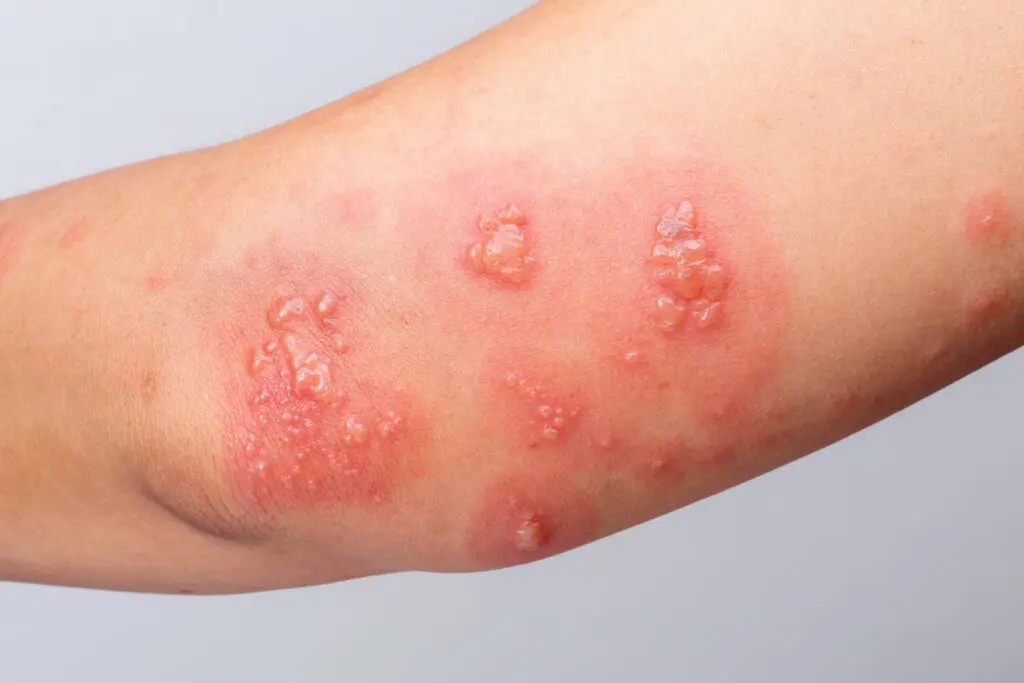
Shingles is usually diagnosed based on a clinical assessment. A clinician will consider the pattern of the rash, its location, and the presence of pain or other characteristic symptoms. Diagnosis is often straightforward when the rash is present.
The distinct, one-sided distribution of the rash along a nerve pathway is often a key indicator. In many cases, this allows for a diagnosis without the need for further testing.
In situations where the presentation is less typical, or when confirmation is needed, a sample from the blister fluid may be tested to detect the presence of the varicella-zoster virus.
Managing Shingles Symptoms at Home
If you have shingles, a few simple steps can help ease discomfort and support healing:
- Take paracetamol to manage pain
- Keep the rash clean and dry to reduce the risk of infection
- Wear loose-fitting clothing to avoid irritation
- Apply a cool compress a few times a day to soothe the skin
It is advisable to avoid allowing dressings or plasters to stick to the rash, as this can irritate the skin and delay healing. Wearing rough or tight fabrics should also be avoided.
Taking these steps can help make symptoms more manageable while the rash heals.
When to Seek Medical Advice and Possible Complications
Many cases of shingles resolve without long-term effects, particularly when recognised and managed early. However, complications can occur, and the risk is higher in older adults and those with a weakened immune system.
One of the more common complications is post-herpetic neuralgia, where nerve pain continues after the rash has healed. For some, this discomfort can persist for weeks or longer and may require ongoing management.
Shingles can also affect the eye, a condition known as herpes zoster ophthalmicus. This requires prompt medical assessment, as early treatment helps reduce the risk of lasting effects on vision.
Medical advice should be sought if:
- Pain is severe or becoming more intense
- The rash appears near or around the eyes
- There are changes in vision
- Symptoms are accompanied by a high fever or confusion
- There is an existing condition or treatment that affects the immune system
- The individual is pregnant, breastfeeding with a rash on the breast, or under 18
Early assessment and treatment can help reduce the severity of symptoms and lower the risk of complications, particularly when started within three days of the rash appearing.
Prevention: How to Reduce Your Risk of Shingles
Reducing the risk of shingles involves a combination of general health measures and targeted prevention.
Supporting the immune system is an important part of this.
In practice, this includes:
- Maintaining regular sleep patterns
- Eating a balanced, nutritious diet
- Managing stress where possible
While these steps support overall health, they do not fully prevent shingles. Being aware of early symptoms and seeking medical advice promptly remains important.
Vaccination remains the most reliable way to reduce the risk of shingles. It has been shown to significantly lower the chance of developing the condition and to reduce the severity of symptoms if it does occur.
For those at increased risk, discussing shingles vaccination with a clinician at London Lauriston Clinic can be a sensible next step when considering prevention options.
Shingles Vaccination: What to Know
Shingles vaccination helps the immune system keep the varicella-zoster virus under control, reducing the likelihood of it reactivating. It is commonly recommended for adults over the age of 50, as well as for those who may be at increased risk.
Vaccination can lower the chance of developing shingles, reduce the risk of complications such as postherpetic neuralgia, and make symptoms less severe if the condition does occur.
Shingles vaccines are generally well tolerated. However, suitability is best assessed on an individual basis. A discussion with a clinician can help determine whether vaccination is appropriate, taking into account age, medical history, and overall health.
Accessing Shingles Vaccination at London Lauriston Clinic
For those considering preventive care, having access to timely advice and vaccination can make the process more straightforward.
At London Lauriston Clinic, patients can discuss their individual risk and whether shingles vaccination is appropriate with experienced clinicians. As a private health clinic, the clinic provides a personalised approach, helping each patient make informed decisions based on their health and circumstances.
Further information on related skin and nerve conditions is available through the clinic’s dermatology services and GP services.
For more information about shingles prevention and vaccination, or to arrange a consultation, patients can contact London Lauriston Clinic at info@llclinics.co.uk.
Conclusion
Shingles is a common condition that can become more serious if it is not recognised and managed early. Symptoms may begin subtly, but they can progress quickly and lead to complications in some cases.
Being aware of how shingles develops and recognising the early signs can help ensure timely treatment. Taking preventive steps, including vaccination, is an effective way to reduce risk and support long-term health.